
When it comes to safely transporting goods across the country, private fleets come out on top. With a Department of Transportation recordable accident rate that is three times better than the trucking industry average, they consistently rank among the safest fleets on the road, outperforming for-hire carriers on measures like compliance scores and traffic violations. To take control of their safety performance, more top companies are transitioning to or expanding their private fleets.
Here, we break down the top reasons why private fleets achieve the highest safety standards.
Rigorous Hiring and Screening Practices
The foundation of private fleet safety comes down to being able to hire the most experienced, high-quality drivers. Most private fleets offer consistent schedules and routes, top-tier equipment and technology, and strong company cultures, which attract more seasoned professionals. This means private fleets can be more selective in the hiring process, evaluating every driver’s history on the road.
“Private fleets have specific qualities that they look for in drivers to get a good sense of what their future performance will look like on the road,” said Isaac Harmon, CPC Logistics’ Director of Safety. “At CPC, we have many managers with decades of truck driving experience. They know what to look for when selecting the best drivers to put behind the wheel.”

Better Driver Retention
Private fleets tend to retain their drivers for the long term. The 15-year average driver turnover rate for private fleets is only about 14 percent compared to 90 percent for the overall trucking industry. In addition to spending more time recruiting new drivers, dedicated carriers with worse retention rates also must spend more money. Turning over one driver costs an estimated $12,000.
In addition to higher pay, predictable schedules and an emphasis on safety, drivers stick with fleets like CPC because of relationships built on respect and honesty.
“One of CPC’s core values is ‘Do What’s Right,’ so we work hard to show our drivers that they are valued,” Harmon said. “At their core, our truck drivers are a loyal group, and they’ll go above and beyond for CPC and our customers because they know they are appreciated.”
Comprehensive Safety Training
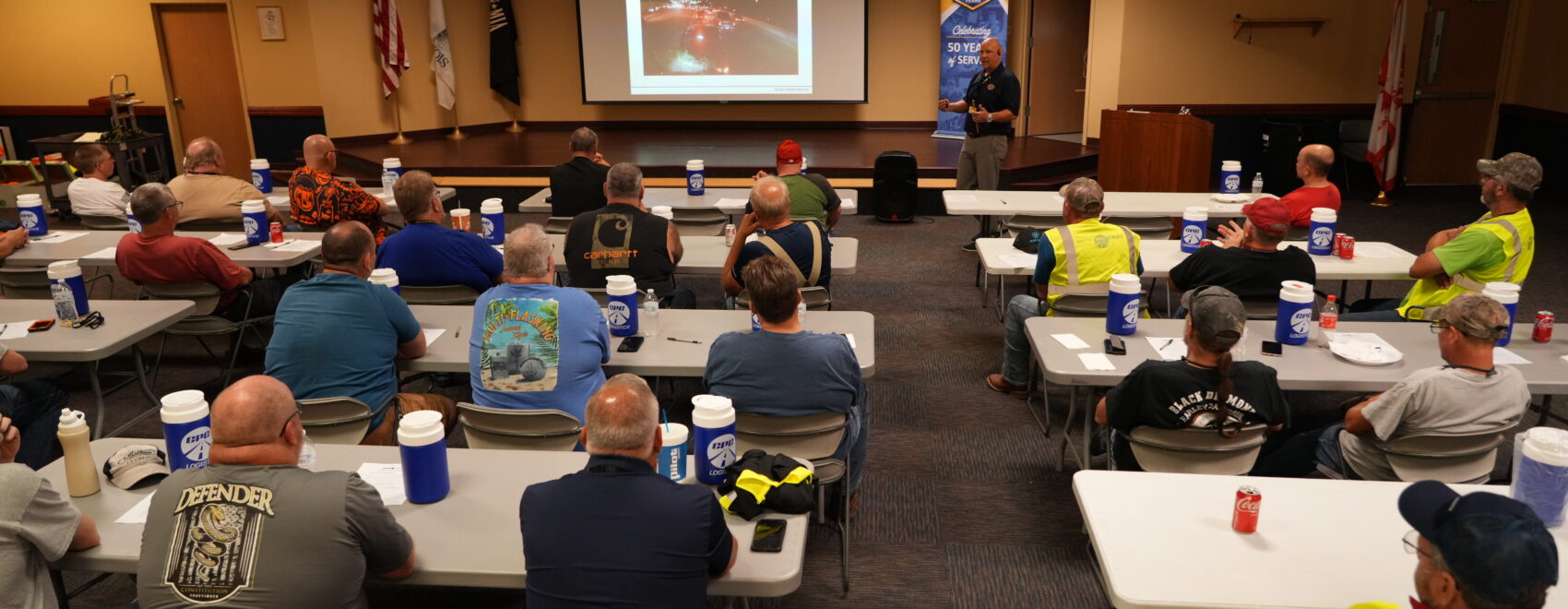
For many private fleet drivers, their training goes well beyond initial orientation. They regularly participate in meetings to stay current on evolving regulations and reinforce safety protocols. Drivers may also take part in mock DOT inspections and simulated assessments that mirror compliance checks like the CVSA International Roadcheck.
“Because private fleets maintain direct oversight of their drivers, equipment, and routes, they can also customize training programs to fit their operational priorities and regulatory obligations,” Harmon said.

Culture of Safety
Safety cultures are not built overnight. Being consistently visible and engaged in the environments where drivers operate is key. When drivers regularly see safety personnel and managers out in the field—not just behind a desk—it sends a clear message that their well-being matters and that their goal is to help them return home safely each day.
“Managers must have a strong presence and really walk the walk when it comes to safety,” Harmon said. “At CPC, we provide thousands of touchpoints with our drivers, including regular safety meetings, ride-alongs, and coaching.”
Advanced Technology
Private fleets are known to be early adopters of advanced safety technology. Unlike those working with dedicated carriers, companies operating private fleets enjoy direct oversight and control over the equipment their trucks are outfitted with. Also, many private fleets lease their vehicles, making it easier to access newer trucks incorporating the latest safety features such as collision mitigation, lane departure warning, and camera systems.
“Properly training drivers to use new technology requires open communication,” Harmon said. “CPC holds regular meetings and one-on-ones with drivers that allow them to ask questions to get a better understanding of what they are using and why they are using it.”
Companies interested in learning more about how starting or transitioning to a private fleet can improve safety can reach out to Harmon at I.Harmon@CPCLogistics.com.